
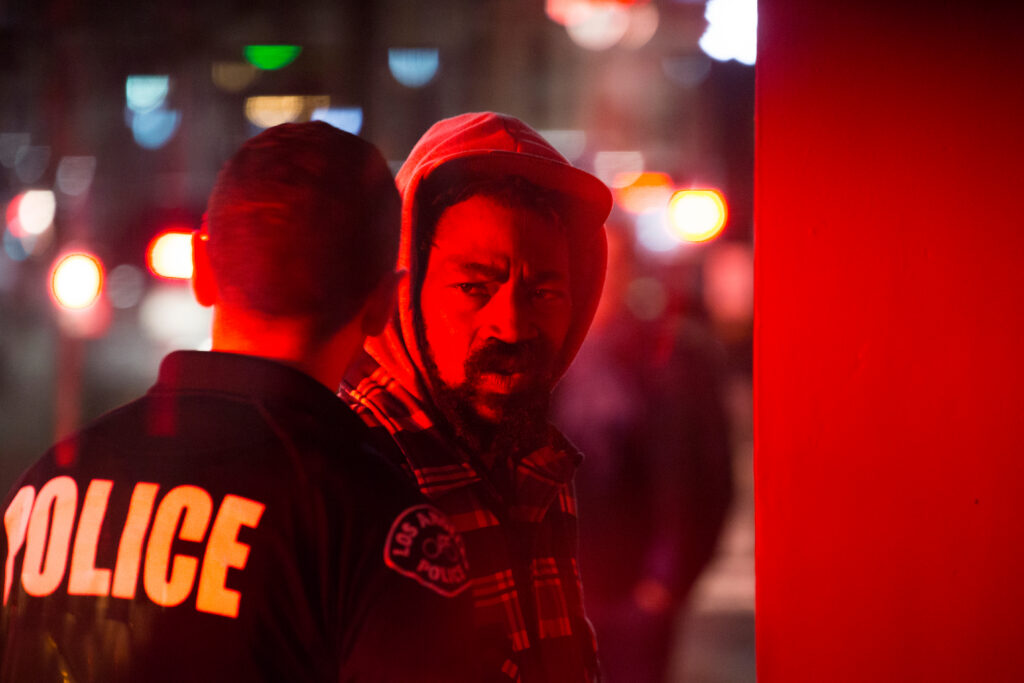
When police stop someone, search a car, find evidence, or make an arrest, the details matter. Why did the stop happen? Was it documented? Was body-camera footage preserved?
Those questions are now getting renewed attention after reports that members of an LAPD gang unit were investigated for alleged “ghost stops.” The term generally refers to stops that were not properly documented. If the stop was undocumented, if body-camera footage is missing, or if the report does not tell the full story, the defense may have important questions to raise.
At Ridley Defense, we understand that an arrest can affect your entire family, your job, your reputation, and your future. If your case began with a traffic stop, gang-unit contact, vehicle search, or street detention, an experienced California criminal defense lawyer can help examine whether your rights were violated.
What Are “Ghost Stops”?
A “ghost stop” is not a formal legal term, but it describes a serious concern: a police encounter that happens without the proper paper trail. That may mean no body-camera recording, no written stop data, no clear explanation for the detention, or a report that leaves out important facts.
Police stops are not supposed to be invisible. Documentation helps courts, prosecutors, defense attorneys, and the public evaluate whether officers acted lawfully. When records are missing, it becomes harder to know whether police had reasonable suspicion, probable cause, or a lawful basis to search.
This matters because the Fourth Amendment protects people from unreasonable searches and seizures. If police stop someone without a valid legal reason, evidence found after that stop may be challenged.
Why Body-Camera Footage Matters In A Criminal Case
Body-camera footage can be one of the most important pieces of evidence in a criminal case. It may show the tone of the encounter, what officers said, what the person did, when the search began, whether consent was requested, and whether the report matches the video.
When body-camera footage is missing, turned off, delayed, or inconsistent with the report, the defense should ask why. Sometimes there is an innocent explanation. Other times, missing footage can raise questions about credibility, procedure, and whether evidence was lawfully obtained.
How Undocumented Stops Can Affect Evidence
If a criminal case began with an unlawful stop, the defense may be able to file a motion to suppress evidence. This asks the court to keep illegally obtained evidence out of the case.
That can be a major turning point. In a drug case, for example, if the drugs were found only because of an illegal stop or search, suppression may seriously weaken the prosecution’s case. In a firearm case, if the weapon was discovered during an unlawful detention, the defense may challenge whether the evidence can be used at all.
This issue may arise in drug and narcotics cases,firearms offenses, theft investigations, probation-related searches, and many other criminal matters.
Why Gang-Unit Stops Deserve Careful Review
Gang enforcement units often handle serious investigations, but that does not mean every stop is lawful. People can be stopped, questioned, searched, or labeled based on assumptions, location, clothing, prior contacts, or who they know. Those assumptions can have lasting consequences.
For people facing major felony charges, any alleged gang connection can make the case more serious and more complicated. That is why the defense must look carefully at how the police contact began, whether the allegations are supported, and whether officers followed the law.
A police unit’s internal investigation does not automatically prove misconduct in every case. But if officers involved in your arrest are under review, disciplined, or connected to questionable stop practices, that information may be relevant to your defense.
What If Your Case Started With A Traffic Stop?
Many criminal cases begin with a traffic stop. Police may stop a vehicle for speeding, expired registration, tinted windows, a broken light, or another alleged violation. But once the stop happens, officers sometimes expand the encounter into questioning, a search, or an arrest.
The law does not allow officers to turn every traffic stop into an open-ended investigation without justification. If the original reason for the stop was weak, exaggerated, or undocumented, the defense may be able to challenge what happened next.
This can matter in DUI defense, drug cases, weapons cases, and traffic offense matters. It may also matter if police used the stop to search a car, question passengers, run warrant checks, or investigate something unrelated to the alleged traffic violation.
If you were pulled over and later arrested, do not assume the stop was legal just because police found something afterward. Courts look at what officers knew at the time they made the stop, not what they discovered later.
Missing Documentation Can Create Reasonable Doubt
Not every missing record leads to dismissal. But missing documentation can create reasonable doubt, support a motion to suppress, or weaken an officer’s credibility.
A defense attorney may investigate whether there are dispatch recordings, patrol-car videos, body-worn camera logs, computer-aided dispatch records, stop data, jail intake recordings, witness videos, or nearby surveillance footage. Sometimes the most important evidence is not
What Should You Do If You Believe Your Stop Was Illegal?
If you believe police stopped you illegally, searched you without consent, or failed to record what happened, take the situation seriously. Do not try to argue the entire case with officers on the street. What you say can be used against you, and the safest place to challenge police conduct is usually in court through your attorney.
After an arrest or citation, write down everything you remember as soon as possible. Include the location, time, officer names or badge numbers if known, what officers said, whether cameras were visible, whether you gave consent, and whether any witnesses were present.
You should also tell your attorney if you recorded the encounter or if someone else may have video. Ridley Defense has discussed the importance of knowing your rights when you film police in California, and video can sometimes help show what really happened.
How Ridley Defense Challenges Questionable Police Conduct
A strong defense often starts with a simple question: did police follow the rules?
At Ridley Defense, we review the stop, search, arrest, reports, videos, witness statements, and prosecution evidence. We look for constitutional violations, inconsistent officer statements, missing footage, unlawful searches, weak probable cause, and credibility issues.
Depending on the facts, we may challenge the evidence, negotiate with prosecutors, seek reduced charges, pursue dismissal, or prepare for trial. Every case is different, but the goal is always the same: protect your rights, your freedom, and your future.
If your case involves an undocumented stop, missing body-camera footage, an unlawful search, or allegations by a gang unit officer, it is important to act quickly. Evidence can disappear. Footage can be overwritten. Witnesses can become harder to find.
Talk To Ridley Defense About Your Arrest
The LAPD “ghost stops” investigation is a reminder that police procedure matters. A criminal case should not rest on undocumented stops, missing footage, or reports that cannot be tested against the facts.
If you or a loved one was arrested after a traffic stop, vehicle search, gang-unit contact, or questionable police encounter, do not wait to get help. The earlier a defense attorney gets involved, the more opportunities there may be to protect your rights and challenge the evidence.
Ridley Defense represents clients throughout Ventura County, Santa Barbara County, Los Angeles County, and Southern California. Whether you are facing a misdemeanor, felony, DUI, drug charge, weapons allegation, or other criminal case, we are ready to help you understand your options.
For a complimentary consultation, contact Ridley Defense today.

